All year · rises in autumn
Rodent Control in Antalya
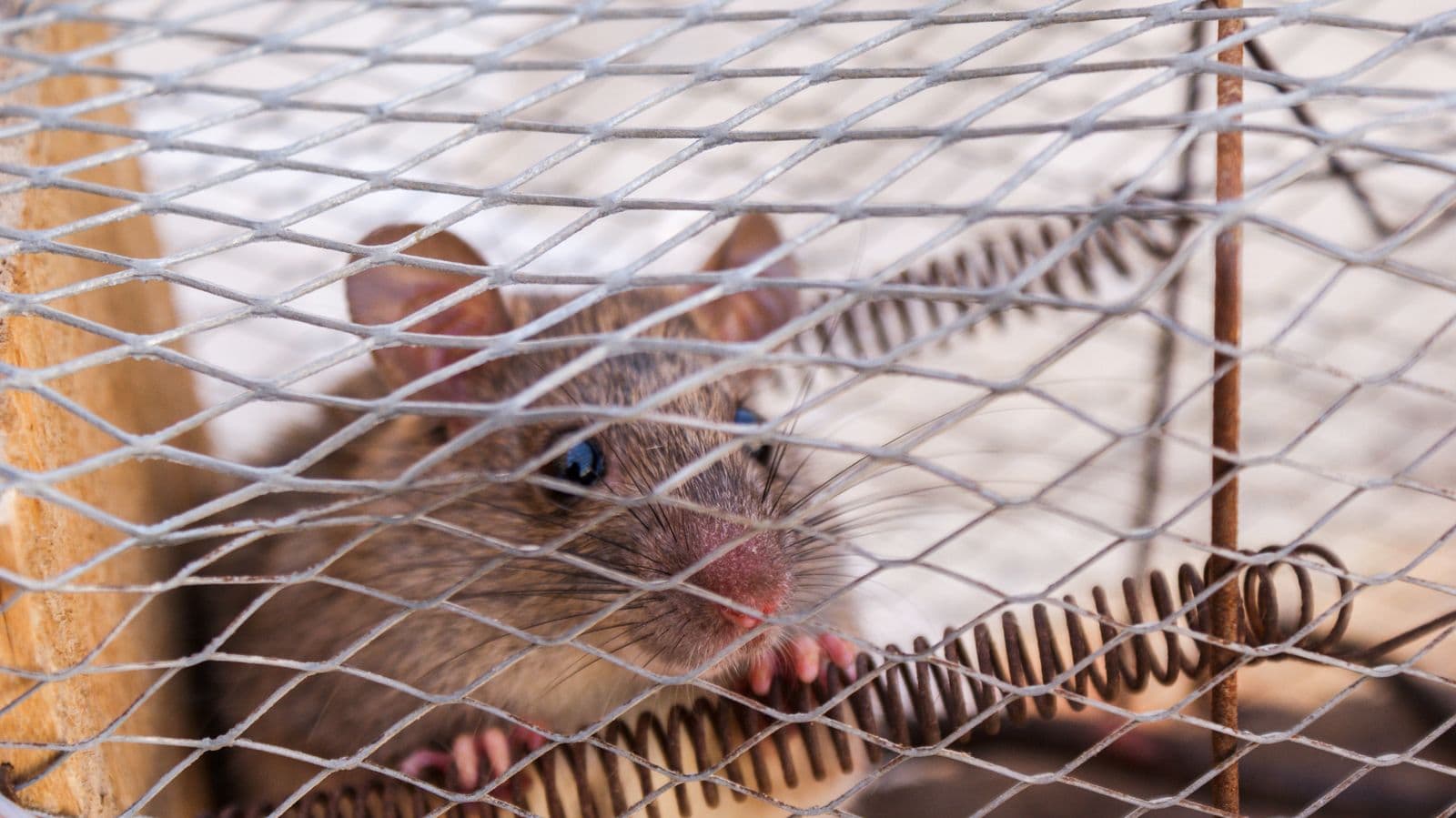
Our rodent control service in Antalya covers homes, businesses, warehouses, restaurants, apartment buildings and gardens, dealing with rats and mice. Sealing entry points, installing lockable stations and running scheduled checks cuts the population. Rodents are not just a nuisance — they chew cables, contaminate food and carry disease.
Free survey · Satisfaction guarantee · Same-day service
How to spot it — the signs
- Scurrying and gnawing at night in the loft, suspended ceiling or wall cavity
- Dark droppings the size of a rice grain in kitchen cabinets and store edges
- Gnawed edges on packaging, sacks or plastic lids
- Greasy, dark rub marks along wall bases and pipe runs
- A cat or dog fixating on one particular section of wall
- A sharp, ammonia-like smell
How rodent control actually works
Baiting alone is an incomplete approach. Bait reduces the current population, but while the way in stays open new animals replace them. So we build the work on three legs: finding and sealing entry points, installing stations at the right places, and checking on a schedule.
A mouse can pass through a 6 mm gap and a rat through 12 mm. During the survey we go through service entries, gaps under doors, ventilation grilles, roof eaves junctions and basement connections one by one.
Stations and safety
We install lockable stations around the building and at suitable points inside. Stations are numbered and their positions recorded, so activity can be tracked point by point.
In premises with children or pets we do not use bait indoors; we use mechanical capture systems instead. Bait is used only inside lockable stations and at external points that cannot be reached.
Rodents in commercial premises
In restaurants, shops and warehouses the presence of rodents creates direct problems during inspection. For these we set up a programme: stations along the perimeter, monitoring points inside and regular check visits.
Each visit records station status, activity found and action taken. That record stays with the business and can be used during inspections.
What actually makes it permanent
The thing that determines a lasting result is physically closing the building: sealing service holes with steel wool and mortar, fitting door brushes, meshing ventilation grilles and tidying the waste area. That is half the job.
We point out every point that needs sealing during the survey. While they stay open the treatment is temporary; once they are closed the problem largely ends.
What to do after the treatment
- Seal the entry points we identify — this is the single most decisive step
- Store food in sealed hard plastic or glass containers
- Do not leave rubbish bags out overnight; keep container lids closed
- Do not move the stations or open their lids
- Tell us if you notice new sounds or signs — the check visit is brought forward
FAQ
Rats and mice — frequently asked questions
Will a dead rodent smell inside the house?
The risk of one dying in a wall cavity exists with every method. To reduce it we use capture systems indoors as the first option and apply bait at controlled points. If a smell develops we come and find the source.
There are children and a cat at home. Is it safe?
We do not use open bait indoors. We work with lockable stations and mechanical capture systems, positioned where children and animals cannot reach them.
How many visits does it take?
It depends on the density. For something that has just started, an initial treatment and one check visit is usually enough. An established population needs scheduled checks; we set out the process during the survey.
What diseases do rodents carry?
Through urine and droppings they can carry agents such as leptospirosis, salmonella and hantavirus. Transmission is mostly via contaminated food and surfaces. Clean droppings by wetting with disinfectant and lifting, never by sweeping.
If you've seen one, don't wait
Early treatment is both quicker and cheaper. Call before 17:00 and we'll come today.